forsythia
Forsythia - Golden Bells - Easter Tree
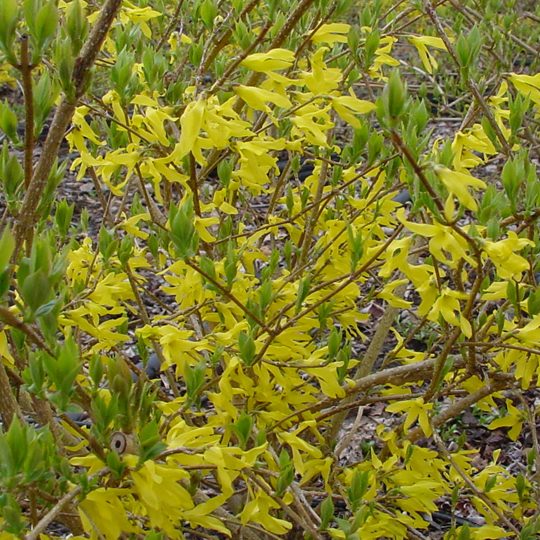
Forsythia: A Structural Spring-Blooming Shrub for the Illinois Landscape
Forsythia, a genus of deciduous flowering shrubs in the olive family, is a durable woody plant available at our Mundelein nursery. For homeowners in Lake Forest or Libertyville looking to add a vertical source of early-season color and a dense, structural presence to their properties, this genus is a functional choice. Its ability to bloom on bare stems before the leaves emerge and its resilience in various soil conditions make it a steady performer in any North Suburb garden where spring interest and privacy screening are the primary goals.
Performance in Northern Illinois Soil
This genus is hardy in our Zone 5b climate and is a representative selection for Midwest residential borders and informal hedges. While many ornamental shrubs struggle with the heavy, unyielding clay found throughout the region, the forsythia grows well in it, provided the site is well-drained and not subject to consistent standing water. It is successful in the open, sun-drenched landscapes of Libertyville, where its root system can anchor firmly and support its fast-growing, multi-stemmed frame. In Lake Forest, these plants act as a durable architectural staple, emerging with brilliant yellow flowers in April that serve as one of the first reliable signals of the changing season in Lake County.
Size, Spacing, and Growth Habit
Planning for the mounded or arching nature of this shrub ensures it provides the intended visual mass without obstructing walkways or requiring excessive pruning to stay within its designated bounds:
-
Average Height: Depending on the species and cultivar, height can vary from compact types at 2 to 3 feet tall to standard varieties that reach 8 to 10 feet tall.
-
Average Width: Most mature specimens develop a footprint spanning 3 to 12 feet wide, often with a fountain-like habit where the outer branches arch toward the ground.
-
Spacing Requirements: To create a solid flowering hedge or a continuous privacy screen, space plants 4 to 6 feet apart. For individual specimen planting, leave a gap of at least 5 feet from the mature width of neighboring plants to allow the arching branches room to expand naturally.
Characteristics of Forsythia
In the North Suburbs, this group of shrubs serves as a source of seasonal transitions and structural support, addressing several specific gardening requirements:
-
Pre-Foliage Floral Display: The plant produces four-lobed, bell-shaped flowers that line the woody stems before the leaves appear. This characteristic is commonly utilized to provide high-impact color while the rest of the landscape is still largely dormant.
-
Dense Branching Structure: The plant naturally grows with a very tight, multi-stemmed habit. This makes it a functional choice for creating physical barriers or screening out street noise and neighboring views.
-
Fast Growth Rate: It is recognized for its ability to put on significant new growth each year. This makes it a practical choice for homeowners who wish to establish a mature-looking landscape in a shorter timeframe.
-
Autumn Foliage Interest: In the fall, the dark green leaves often transition to shades of yellow, bronze, or purplish-red before dropping for the winter.
-
Pollinator Support: As an early-blooming woody plant, it provides a nectar source for bees and other emerging pollinators during the unpredictable weather of a Midwest spring.
Planting and Maintenance Advice
To ensure your shrub remains healthy and produces a prolific amount of flowers each year, follow these straightforward care steps:
-
Full Sun Exposure: This is the most critical factor for flower production. While the plant can grow in partial shade, it will produce significantly fewer blooms and develop a more leggy, open habit. Provide at least 6 hours of direct, unobstructed light daily.
-
Pruning Cycles: Forsythia blooms on "old wood" (growth from previous years). To avoid cutting off next year’s flower buds, any major pruning should be done immediately after the flowers fade in the spring. A practical maintenance strategy is "renewal pruning," which involves removing one-third of the oldest, largest stems at ground level every year.
-
Soil and Drainage: While it is adaptable to clay, it will not grow in stagnant, standing water. In our heavy clay soil, ensure the planting site is well-drained. Proper drainage is a mechanical necessity to prevent root rot.
-
Minimal Fertilization: It grows best in average soil and does not require heavy feeding. A light top-dressing of compost in the spring after flowering is sufficient for its nutrient needs.
-
Mulching: Maintain a 2-to-3-inch layer of organic mulch around the root zone, taking care not to pile it against the main stems. This helps regulate soil temperature and retain moisture during the dry weeks of August.
Frequently Asked Questions (Lake County Edition)
Why isn't my forsythia blooming?
The most common reasons are pruning at the wrong time (late summer or fall) or a particularly harsh winter that killed the flower buds. If the plant only blooms near the ground, it indicates that the snow cover protected the lower buds while the exposed upper buds were damaged by cold winds.
Can I grow forsythia in the shade?
It will survive in the shade, but the growth will be sparse and the flowering will be minimal. For the dense, vibrant display that the plant is known for, a full-sun location is required.
Visit The Country Bumpkin Garden Center
We are located at the corner of Gilmer Rd & Hawley St in Mundelein. Stop by to see the various growth habits of forsythia in person—from the classic 'Lynwood Gold' to compact varieties like 'Show Off'—and find the right fit for your spring landscape. We are a local resource for gardeners across Mundelein, Libertyville, and the surrounding communities.
Call (847) 566-2176 or Send a Message to check current availability.
Varieties: New Hampshire Gold, Show Off
See: Shrubs and Roses
Category: Sun Perennials - Sun Plants - Sunny Plants - Shrubs - Deciduous Shrubs - Forsythia near me