euonymus alatus
Dwarf Burning Bush
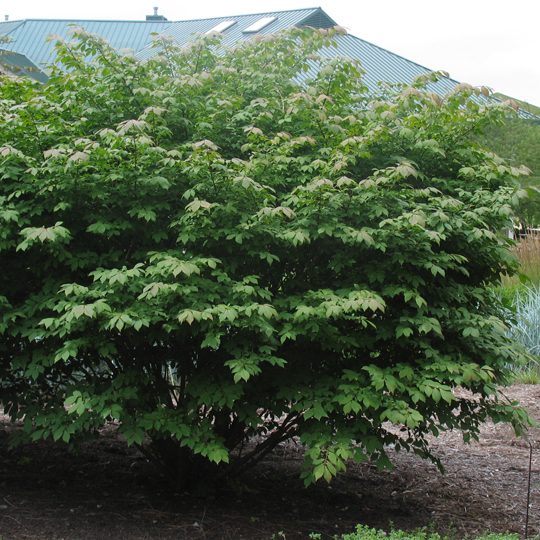
Euonymus Alatus Dwarf Burning Bush: A Structural Shrub for Intense Autumn Color
Euonymus alatus dwarf burning bush, a deciduous woody shrub in the Celastraceae family, is a structural landscape element available at our Mundelein nursery. For homeowners in Buffalo Grove or Bannockburn looking to add a formal, mounded presence to their foundation plantings or garden borders, this plant is a functional choice. Its ability to maintain a dense, symmetrical shape and its reliable transition to brilliant red foliage in the fall make it a steady performer in any North Suburb garden where visual consistency and architectural definition are the primary goals.
Performance in Northern Illinois Soil
This shrub is hardy in our Zone 5b climate and is a representative selection for Midwest residential hedges and commercial entryways. While many ornamental shrubs struggle with the heavy, unyielding clay found throughout the region, the Euonymus alatus dwarf burning bush grows well in it, provided the site is well-drained. It is successful in the open, sun-drenched landscapes of Bannockburn, where its root system can anchor firmly and support its compact, multi-stemmed frame. In Buffalo Grove, these plants act as a durable architectural staple, emerging with clean, dark green elliptical leaves in the spring that provide a solid, opaque screen throughout the growing season.
Size, Spacing, and Growth Habit
Planning for the mature dimensions of this shrub ensures it provides the intended formal look without requiring constant shearing or encroaching on neighboring walkways:
-
Average Height: Despite the "dwarf" designation, this variety typically reaches 5 to 6 feet tall over time.
-
Average Width: Most mature specimens develop a footprint spanning 5 to 8 feet wide, often forming a naturally rounded or flat-topped silhouette.
-
Spacing Requirements: To create a solid, seamless formal hedge, space plants 4 to 5 feet apart from center to center. For individual specimen use, leave at least 6 feet between plants to ensure the unique "winged" bark is visible and the plant receives adequate light on all sides.
Characteristics of Dwarf Burning Bush
In the North Suburbs, this group of shrubs serves as a source of seasonal transitions and structural definition, addressing several specific gardening requirements:
-
Vibrant Autumn Transformation: The primary appeal of this shrub is its fall color. In late September and October, the foliage transitions from deep green to a consistent, brilliant scarlet or crimson. This characteristic is commonly utilized to provide a high-impact "fire" effect in the landscape.
-
Architectural Winged Bark: The stems feature unique, corky ridges or "wings" that become prominent after the leaves have fallen. This provides a structural interest during the winter months when other deciduous shrubs appear bare.
-
Dense Branching Structure: The plant naturally grows with a very tight, compact branching habit. This makes it a functional choice for creating privacy screens that block line-of-sight even during the dormant season.
-
Inconspicuous Flowers and Fruit: In late spring, the shrub produces small, yellow-green flowers that are followed by tiny red-orange berries. While not showy to the human eye, the fruit is a food source for local birds as they prepare for winter.
-
Tolerant of Urban Conditions: It is remarkably adaptable to the compacted soil and air quality found in busy suburban corridors, making it a practical choice for parkways or street-side plantings.
Planting and Maintenance Advice
To ensure your shrub remains healthy and produces the most intense red color each year, follow these straightforward care steps:
-
Full Sun for Best Color: While it is adaptable to partial shade, the intensity of the autumn foliage is directly linked to sunlight. Provide at least 6 hours of direct, unobstructed light daily to prevent the leaves from turning a duller pink or orange rather than bright red.
-
Pruning Cycles: Euonymus alatus dwarf burning bush responds well to shearing, but it also maintains an attractive shape with minimal intervention. If you are maintaining a formal hedge, prune in late winter or very early spring before new growth begins. For an informal look, simply thin out older interior branches every few years to improve airflow.
-
Soil and Drainage: While it is adaptable to clay, it will not grow in stagnant, standing water. In our heavy clay soil, ensure the planting site is well-drained. Proper drainage is a functional necessity to prevent root rot.
-
Minimal Fertilization: It grows best in average soil and does not require heavy feeding. A light top-dressing of compost in the spring is sufficient for its nutrient needs. Excessive nitrogen can actually lead to weaker branching.
-
Mulching: Maintain a 2-to-3-inch layer of organic mulch around the root zone, taking care not to pile it against the main stems. This helps regulate soil temperature and retains moisture during the dry weeks of August.
Frequently Asked Questions (Lake County Edition)
Is it considered invasive?
In some regions, Euonymus alatus has been noted for self-seeding in wooded areas. However, it remains a popular choice for managed residential landscapes in Illinois. To mitigate its spread, regular mowing around the planting site or choosing modern sterile cultivars can be practical solutions.
Why is my burning bush not turning red?
The lack of color is almost always due to insufficient sunlight or a particularly warm autumn. If the plant is in too much shade, it will lack the light triggers necessary to produce the anthocyanins responsible for the red pigment.
Visit The Country Bumpkin Garden Center
We are located at the corner of Gilmer Rd & Hawley St in Mundelein. Stop by to see the various sizes and growth habits of Euonymus alatus dwarf burning bush in person and find the right fit for your formal landscape. We are a local resource for gardeners across Mundelein, Bannockburn, and the surrounding communities.
Call (847) 566-2176 or Send a Message to check current availability.
Varieties: Dwarf Burning Bush
See: Shrubs and Roses
Category: Sun Perennials - Sun Plants - Sunny Plants - Shrubs - Deciduous Shrubs - Burning Bush near me - Euonymus alatus