english lavender
Lavandula Angustifolia - Common Lavender - English Lavender - Lavender
English Lavender: A Fragrant Mediterranean Touch for Illinois
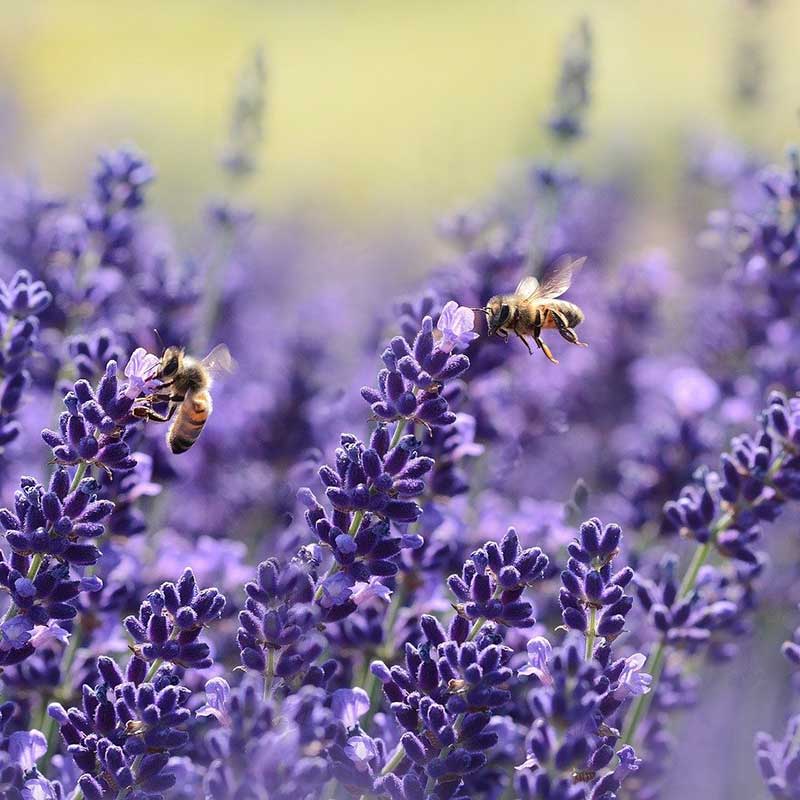
Lavandula angustifolia, or English lavender, is the most aromatic and sought-after herb-perennial we offer at our Mundelein nursery. For homeowners in Wildwood or Winnetka looking to add a sensory experience to their sunny borders with soothing scents and silver-grey foliage, this plant is an essential choice. Its tightly packed flower spikes and compact, mounded habit make it a premier performer in any North Suburb garden where a touch of classic cottage style is desired.
Performance in Northern Illinois Soil
This perennial is remarkably hardy in our Zone 5b climate, though it requires specific conditions to survive our heavy winters. While many ornamental flowers prefer rich, moisture-retaining soil, English lavender actually thrives in leaner, grittier conditions. It is particularly successful in the well-drained, open landscapes of Winnetka, where it can handle the transition from a brisk spring to the intense, dry heat of an Illinois July. In Wildwood, ensuring the plant is not sitting in stagnant winter water is the key to maintaining its woody structure year after year.
Size, Spacing, and Growth Habit
Planning for the tidy, architectural mound of this plant ensures it maintains its shape without becoming overly woody:
-
Average Height: Depending on the cultivar, the foliage reaches 12 to 20 inches tall, with flower spikes adding another 4 to 6 inches.
-
Average Width: Mature plants typically form a dense mound spanning 18 to 24 inches wide.
-
Spacing Requirements: To ensure adequate air circulation—which is vital for preventing fungal issues—space plants at least 2 feet apart when planting in a row or grouping.
Why English Lavender is a Practical Local Choice
In the North Suburbs, this group of perennials serves as a reliable source of fragrance and structure, solving several specific gardening challenges:
-
Superior Pollinator Appeal: The nectar-rich purple spikes are a magnet for honeybees, bumblebees, and butterflies throughout the summer months.
-
Exceptional Drought Tolerance: Once established, this is one of the most drought-resistant plants in our catalog, thriving during hot spells with minimal irrigation.
-
Deer and Rabbit Resistance: The high concentration of essential oils in the leaves makes the plant highly unappealing to the wildlife that roam near local forest preserves.
-
Versatile Use: Beyond the garden, the dried flowers and foliage are perfect for sachets, culinary uses, or as long-lasting dried floral arrangements.
Planting and Maintenance Advice
To ensure your plant remains a vibrant focal point and survives the local "freeze-thaw" cycles, follow these straightforward care steps:
-
The Drainage Requirement: This is the absolute most critical factor. In our heavy Illinois clay, we recommend planting in a raised bed or adding grit to the planting hole to ensure roots never sit in water.
-
The Annual Pruning: To keep the plant from becoming leggy or splitting open, prune it back by about one-third in early spring once you see new green growth. Avoid cutting into the old, grey wood.
-
Full Sun is Mandatory: To maximize oil production and flower density, the plant must have 6 to 8 hours of direct, unobstructed sunlight.
-
Avoid Over-Mulching: Use stone or gravel mulch rather than wood chips. Wood mulch holds too much moisture near the crown, which can lead to rot in our humid climate.
-
Minimal Fertilizer: Lavender prefers "poor" soil. A light top-dressing of compost once a year is more than enough; avoid high-nitrogen fertilizers that produce weak, floppy growth.
Reliable Companion Plants for our Area
To create a high-impact, sun-loving garden bed, we suggest pairing these perennials with other durable varieties from The Country Bumpkin:
-
Salvia: The deep purple spikes of Salvia provide a stunning monochromatic look when paired with the softer tones of lavender.
Frequently Asked Questions (Lake County Edition)
Is it different from French Lavender?
Yes. English lavender is much more cold-hardy and likely to survive an Illinois winter. French varieties are often treated as annuals in our region because they cannot withstand the deep freezes.
Why did mine die over the winter?
In Lake County, it is rarely the cold that kills lavender; it is the wet soil. If the roots stay saturated during the winter thaws, the plant will likely suffer from root rot.
Visit The Country Bumpkin Garden Center
We are located at the corner of Gilmer Rd & Hawley St in Mundelein. Stop by to see the hardy 'Munstead' and 'Hidcote' varieties of english lavender we carry and find the right fit for your sunny landscape. We are proud to be a local resource for gardeners across Mundelein, Winnetka, and the surrounding communities.
Call (847) 566-2176 or Send a Message to check current availability.
See: Perennials
Category: Sun Perennials - Sun Plants - Sunny Plants - English Lavender near me - Lavandula Angustifolia