dianthus perennials
Dianthus Perennials - Carnation - Sweet William
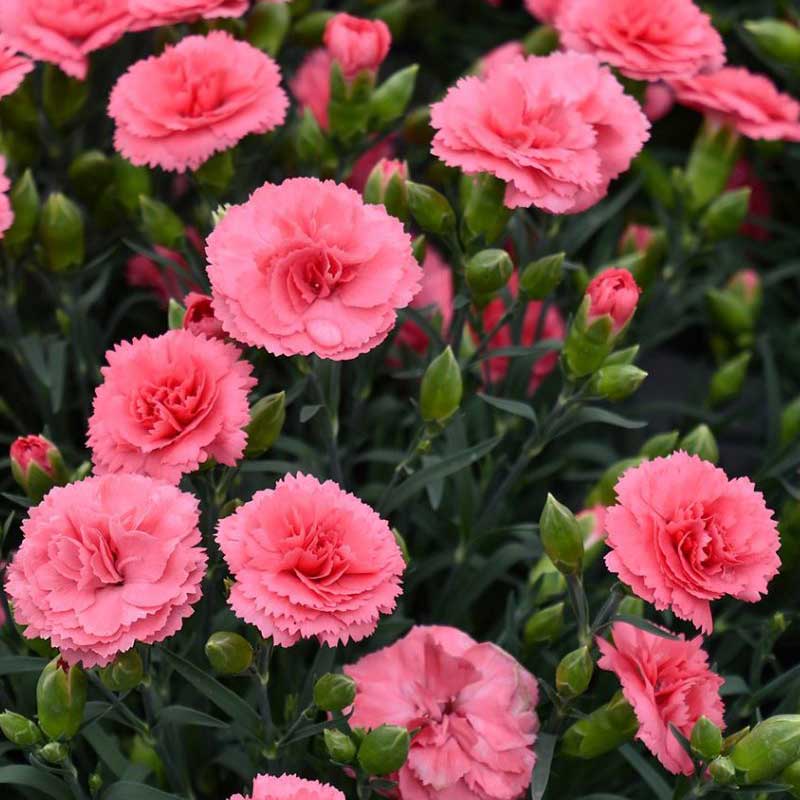
Dianthus Perennials: Fragrant Color for Lake County Borders
Dianthus perennials, commonly known as "Pinks," are among the most versatile and beloved flowering plants we offer at our Mundelein nursery. For homeowners in Volo or Wauconda looking for a plant that combines a spicy, clove-like fragrance with a low-growing, tidy habit, this genus is an essential choice. Whether used as a colorful edging along a walkway or as a textured filler in a rock garden, these plants are a premier performer in any sun-drenched Northern Illinois landscape.
Performance in Northern Illinois Soil
This group of plants is exceptionally hardy in our Zone 5b climate. While many summer flowers struggle with the heavy, unyielding clay found throughout the region, most dianthus perennials are remarkably adaptable, provided they are not planted in a low spot where water sits. They are particularly successful in the breezy, open gardens of Wauconda, where they can handle the transition from a cool spring to the intense, dry heat of an Illinois July. These plants actually prefer soil that is slightly alkaline, which matches the natural profile of much of our local Lake County soil.
For the best results, plant them in full sun. To maintain their dense, evergreen-like blue-gray foliage and maximize flower production, the plants need at least 6 hours of direct light daily. In shaded yards, the mounds may become "loose" or open in the center, and the plant will produce significantly fewer of its iconic fringed flowers.
Why Pinks are a Practical Local Choice
In the North Suburbs, these perennials serve as a reliable "finishing touch" for the garden, solving several specific challenges:
-
Exceptional Fragrance: Even a small patch of dianthus perennials can fill a garden bed with a sweet, spicy scent that is especially noticeable on warm June evenings in Volo.
-
Deer and Rabbit Resistance: The narrow, tough leaves and intense fragrance make these plants highly unappealing to the local wildlife that roam near the forest preserves.
-
Three-Season Foliage: Many varieties feature attractive blue-green or silver foliage that stays evergreen through much of the winter, providing a splash of color when the rest of the garden is dormant.
-
Pollinator Appeal: The bright pink, red, and bicolor blooms are a favorite for butterflies and clearwing moths, supporting a healthy local ecosystem.
Planting and Maintenance Advice
To ensure your dianthus perennials remain vibrant and produce an abundance of their signature flowers year after year, follow these straightforward care steps:
-
Prioritize Drainage: This is the most critical factor. While they handle our local soil well, they will rot if the crown stays wet during the winter thaw. Planting in a slightly raised bed or a rockery is a great strategy in Wauconda.
-
Deadheading for Rebloom: Many modern varieties are "repeat bloomers." Snapping off the spent flower stems will encourage the plant to send up a second and third flush of color throughout the summer.
-
Shear After Blooming: After the main flush of spring flowers has faded, you can use garden shears to lightly trim the foliage. This keeps the mounds tight and prevents the plant from looking "shaggy" in your Volo landscape.
-
Minimal Fertilizer: Avoid using high-nitrogen fertilizers, which can lead to excessive leaf growth at the expense of flowers. A simple top-dressing of compost in the spring is usually sufficient.
-
Divide When Crowded: Every 3 to 4 years, if the center of the mound begins to die out, dig the plant up in early spring and divide it to maintain vigor.
Reliable Companion Plants for our Area
To create a pleasant, multi-layered look in the garden, consider pairing Dianthus with these specific varieties:
-
Creeping Phlox (Phlox subulata): Both plants are low-growing favorites that bloom early in the season. The carpet-like habit of Creeping Phlox interweaves beautifully with the mounded, blue-gray foliage of Dianthus, creating a solid mat of color along the front of a sunny border or rock garden.
-
Salvia (May Night): The upright, deep indigo spikes of perennial Salvia provide a wonderful vertical contrast to the rounded, low profile of Dianthus. Since both thrive in full sun and well-drained soil, they make a dependable, heat-tolerant team for mid-spring through early summer.
-
Blue Fescue (Festuca glauca): This ornamental grass features spiky, icy-blue blades that mirror the silvery-blue tones often found in Dianthus foliage. The fine texture of the grass provides a modern, structural backdrop that makes the vibrant pink or red blooms of the Dianthus truly stand out.
-
Catmint (Nepeta): For a soft, romantic look, the airy lavender-blue flowers of Catmint complement the structured, fringed petals of Dianthus. Both plants are exceptionally hardy and share a long blooming window, ensuring the garden remains colorful and attractive to pollinators for several weeks.
Frequently Asked Questions (Lake County Edition)
Why are they called Pinks?
It is not just because of the color! The name actually refers to the "pinked" or jagged edges of the petals, which look like they were trimmed with pinking shears.
Do they return every year?
Yes. While some varieties are biennials, the dianthus perennials we stock at The Country Bumpkin are true, long-lived perennials that will grace your Volo garden for many seasons.
Visit The Country Bumpkin Garden Center
We are located at the corner of Gilmer Rd & Hawley St in Mundelein. Stop by to see the wide range of colors and scents we carry and find the right variety for your sunny borders. We are proud to be a local resource for gardeners across Mundelein, Wauconda, and the surrounding communities.
Call (847) 566-2176 or Send a Message to check current availability.
Varieties: Bath’s Pink, Double Bubble, Firewitch, Goody Gumdrop, Kahori, Neon Star, Tiny Rubies.
Image: ‘Classic Coral’
See: Perennials
Category: Sun Perennials - Sun Plants - Sunny Plants - Dianthus near Volo and Wauconda, IL