creeping thyme
Thymus - Creeping Thyme
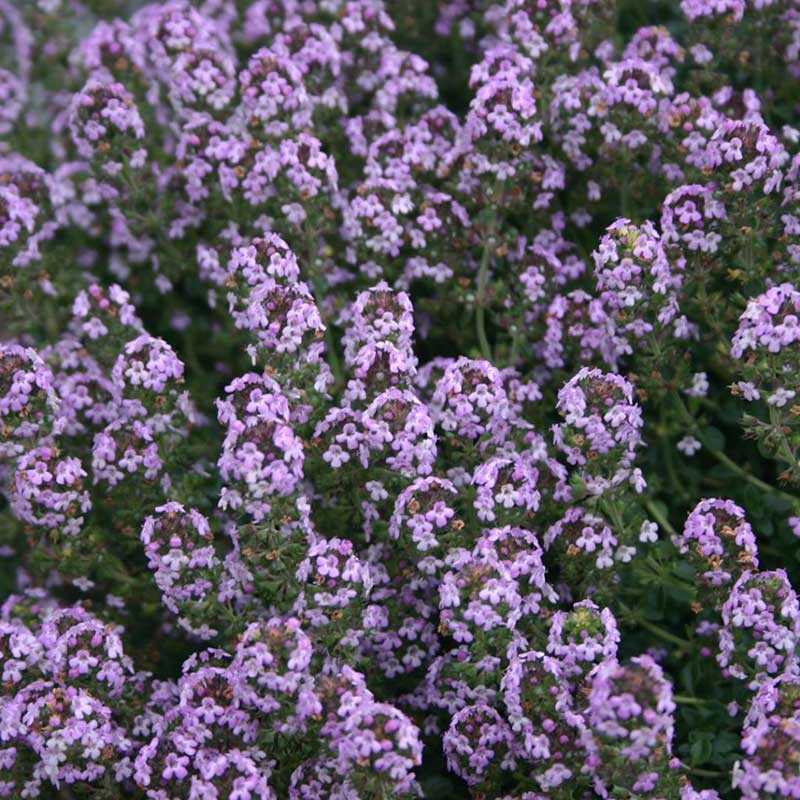
Creeping Thyme: A Low-Profile Groundcover for Sunny Illinois Landscapes
Creeping thyme (Thymus praecox or Thymus serpyllum) is a prostrate, woody-based perennial frequently stocked at our Mundelein nursery. For homeowners in Bannockburn or Barrington looking to add a fragrant, drought-tolerant carpet to their stone paths or sunny slopes, this plant is a functional choice. Its ability to form a dense, interlocking mat and its tolerance for poor soil make it a steady performer in any North Suburb garden where erosion control and fine-textured foliage are the primary goals.
Performance in Northern Illinois Soil
This perennial is hardy in our Zone 5b climate and is a reliable selection for Midwest rock gardens and walkways. While some ornamental groundcovers struggle with the heavy, moisture-retentive clay found throughout the region, creeping thyme grows well in it, provided the site is amended with grit or sand to ensure rapid drainage. It is successful in the open, sun-drenched landscapes of Barrington, where the roots can anchor firmly into well-drained embankments. In Bannockburn, these plants act as a durable "living mulch," emerging with tiny, aromatic evergreen leaves that remain present from early spring until the heavy snows of winter.
Size, Spacing, and Growth Habit
Planning for the low-profile and expansive nature of this plant ensures it provides a seamless green floor without overgrowing taller garden features:
-
Average Height: Depending on the cultivar, the plant typically reaches only 1 to 3 inches tall.
-
Average Width: Each individual clump forms a dense, spreading footprint of 12 to 18 inches wide.
-
Spacing Requirements: To create a solid, weed-suppressing carpet within two growing seasons, space plants 12 inches apart. This allows the woody stems to knit together while maintaining enough airflow to prevent fungal issues in the center of the mat.
Characteristics of Creeping Thyme
In the North Suburbs, this group of perennials serves as a source of early-summer color and functional groundcover support, addressing several specific gardening requirements:
-
Tolerance for Light Foot Traffic: It is one of the plants that can handle being stepped on occasionally, making it a functional choice for planting between flagstones or along the edges of a garden path.
-
Aromatic Foliage: The leaves contain essential oils that release a pleasant, herbal scent when crushed or walked upon. This characteristic is commonly utilized in sensory gardens.
-
Pollinator Support: During the peak bloom in June and July, the mat is covered in tiny tubular flowers—usually in shades of pink, purple, or white—that serve as a nectar source for honeybees and small native butterflies.
-
Superior Drought Resilience: Once established, it is highly water-efficient, maintaining its health during the heat of August with significantly less supplemental irrigation than traditional turf grass or herbaceous border plants.
Planting and Maintenance Advice
To ensure your plant remains healthy and returns with vigor each spring, follow these straightforward care steps:
-
Full Sun Exposure: This is the most critical factor for success. To prevent the mat from becoming sparse, leggy, or susceptible to rot, provide at least 6 to 8 hours of direct, unobstructed light daily.
-
Prioritize Drainage: While it likes occasional moisture, it will not grow in stagnant, standing water. In our heavy clay soil, ensure the planting site is well-drained, gravelly, or slightly sloped to avoid crown rot, particularly during wet winters.
-
Minimal Fertilizer: It grows best in average to lean soil. Excessive nitrogen can result in rapid, soft growth that is more prone to disease and less resistant to foot traffic. A light top-dressing of compost in the spring is sufficient for its needs.
-
The "Post-Bloom Trim": Once the flowers have faded in mid-summer, you can lightly shear the plant with garden scissors. This practice encourages fresh green growth and keeps the mat dense and compact.
-
Winter Management: In Lake County, the evergreen foliage may "bronze" or dry out in extreme winter winds. Leaving the plant uncovered or providing a light layer of evergreen boughs can help protect the leaves until the spring thaw.
Frequently Asked Questions (Lake County Edition)
Is it edible?
While it is a member of the Thymus genus, creeping thyme is grown primarily for its ornamental value and durability as a groundcover. Culinary thyme (Thymus vulgaris) is a different species that is better suited for cooking.
Why is my thyme turning brown in the center?
This is often caused by poor drainage or the plant becoming too woody with age. Ensuring the soil is gravelly and shearing the plant back after it blooms can help maintain a healthy, green center.
Visit The Country Bumpkin Garden Center
We are located at the corner of Gilmer Rd & Hawley St in Mundelein. Stop by to see the various cultivars of creeping thyme in person—from the vibrant 'Red Mother of Thyme' to the soft 'Woolly Thyme'—and find the right fit for your sunny pathways. We are a local resource for gardeners across Mundelein, Barrington, and the surrounding communities.
Call (847) 566-2176 or Send a Message to check current availability.
Varieties: Elfin, Creeping Purple, Wild.
Image: ‘Doone Valley’
See: Perennials
Category: Sun Perennials - Sun Plants - Sunny Plants - Creeping thyme near me - Thymus