cotoneaster
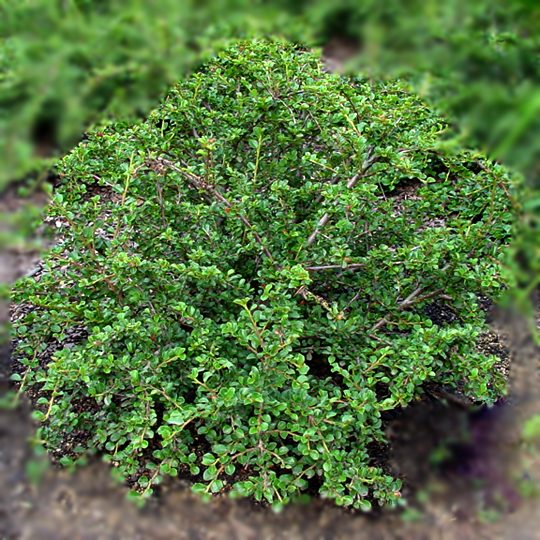
Cotoneaster: A Durable Woody Genus for Ground Cover and Hedging
Cotoneaster, a diverse genus of deciduous and evergreen shrubs in the rose family, is a versatile landscape element available at our Mundelein nursery. For homeowners in Waukegan or West Deerfield looking to add dense, weed-suppressing ground cover or structured informal hedging to their properties, this genus is a functional choice. Its ability to grow in varied soil types and its production of persistent autumn berries make it a steady performer in any North Suburb garden where erosion control and multi-seasonal interest are the primary goals.
Performance in Northern Illinois Soil
This genus is hardy in our Zone 5b climate and is a representative selection for Midwest foundation plantings, rock gardens, and embankments. While many ornamental shrubs struggle with the heavy, unyielding clay found throughout the region, the cotoneaster grows well in it, provided the site is well-drained and not subject to seasonal flooding. It is successful in the open, sun-drenched landscapes of West Deerfield, where its root system can anchor firmly to stabilize slopes. In Waukegan, these plants act as a durable architectural staple, emerging with small, glossy green leaves in the spring that maintain a clean, polished appearance throughout the growing season.
Size, Spacing, and Growth Habit
Planning for the growth habit of a cotoneaster depends heavily on whether you are selecting a prostrate, trailing variety or an upright, hedging type. Understanding these structural differences is essential for effective site placement:
-
Prostrate Varieties (e.g., Cotoneaster horizontalis): These typically reach 1 to 3 feet tall but can spread 5 to 8 feet wide. They often feature a distinctive "herringbone" branching pattern.
-
Upright Varieties (e.g., Cotoneaster lucidus): These can reach 6 to 10 feet tall and 4 to 6 feet wide, making them suitable for screening or formal shearing.
-
Spacing Requirements: For ground cover applications, space plants 3 to 5 feet apart to allow the trailing stems to overlap. For hedging, space plants 2 to 3 feet apart from center to center to create a solid, interlocking wall of foliage.
Characteristics of Cotoneaster
In the North Suburbs, this group of shrubs serves as a source of seasonal transitions and functional landscape support, addressing several specific gardening requirements:
-
Small Spring Flowers: In May and June, the plant produces tiny, five-petaled flowers in shades of white or soft pink. While small, they are commonly visited by bees and other pollinators during the late spring bloom window.
-
Persistent Autumn Berries: By late summer, the flowers transition into small, pome-like fruits that turn bright red or black. These berries often persist into the winter, providing a color contrast against the snow and a food source for local birds.
-
Fishbone Branching Structure: Many low-growing varieties exhibit a stiff, horizontal branching habit where secondary stems grow out at regular angles. This characteristic is commonly utilized to add a geometric, architectural texture to rock gardens.
-
Vibrant Autumn Foliage: Deciduous varieties offer a strong finish to the season, with leaves turning brilliant shades of orange, red, and purple before dropping for the winter.
-
Erosion Control: The dense, interlocking root systems and trailing stems make the prostrate varieties a functional choice for stabilizing steep hillsides where mowing is difficult or impossible.
Planting and Maintenance Advice
To ensure your shrub remains healthy and maintains its density each year, follow these straightforward care steps:
-
Light Exposure: Most varieties perform best in full sun (at least 6 hours of direct light) to maximize flower and berry production. However, they are notably adaptable and can grow in partial shade, though the growth habit may be slightly more open.
-
Prioritize Drainage: Proper drainage is the most critical factor for success. Cotoneaster will not tolerate "wet feet" or stagnant water, which can lead to root rot. In our heavy clay soil, ensure the planting site is well-drained or slightly elevated.
-
Pruning for Purpose: For low-growing types, pruning is rarely necessary except to remove dead wood or to contain an overextended branch. For upright hedging types, shearing should be done in late winter or early spring before new growth begins.
-
Soil and Mulching: Maintaining a 2-to-3-inch layer of organic mulch around the root zone is a practical way to keep the soil cool and suppress competing weeds while the plant is establishing its footprint.
-
Pest Awareness: While generally resilient, they can occasionally be susceptible to fire blight or spider mites during hot, dry weather. Ensuring good airflow through proper spacing and avoiding overhead watering are effective preventative measures.
Frequently Asked Questions (Lake County Edition)
Why is my plant losing leaves in the middle of summer?
In periods of extreme heat and drought, some deciduous varieties may drop a portion of their leaves to conserve moisture. Regular supplemental irrigation during the dry weeks of August can help prevent this stress response.
Is it an evergreen?
The genus includes both deciduous and evergreen species. In our Zone 5b climate, many "evergreen" varieties may be semi-evergreen, meaning they might drop some leaves during particularly harsh or windy winters but will regrow them in the spring.
Visit The Country Bumpkin Garden Center
We are located at the corner of Gilmer Rd & Hawley St in Mundelein. Stop by to see the various growth habits of cotoneaster in person—from the low-growing 'Cranberry' cotoneaster to the tall, hedging 'Hedge' cotoneaster—and find the right fit for your landscape. We are a local resource for gardeners across Mundelein, Waukegan, and the surrounding communities.
Call (847) 566-2176 or Send a Message to check current availability.
See: Shrubs and Roses
Category: Sun Perennials - Sun Plants - Sunny Plants - Shrubs - Deciduous Shrubs - Cotoneaster near me