compact hinoki cypress
Chamaecyparis Obtusa 'Compacta' - Compact Hinoki Cypress
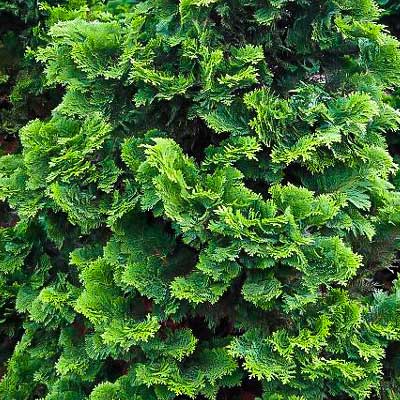
Compact Hinoki Cypress: A Structural Evergreen for Refined Illinois Landscapes
Compact Hinoki Cypress (Chamaecyparis obtusa 'Compacta'), a slow-growing evergreen conifer in the Cupressaceae family, is a foundational landscape element available at our Mundelein nursery. For homeowners in Lake Zurich or Long Grove looking to add year-round structure and a sophisticated, architectural presence to their properties, this cultivar is a functional choice. Its ability to maintain a dense, dark green canopy throughout the winter months and its unique, fan-like branch structure make it a steady performer in any North Suburb garden where structural consistency and refined aesthetics are the primary goals.
Performance in Northern Illinois Soil
This species is hardy in our Zone 5b climate and is a representative selection for Midwest foundation plantings, zen gardens, and mixed evergreen borders. While many conifers struggle with the heavy, unyielding clay and fluctuating winter temperatures found throughout the region, the compact hinoki cypress grows well in it, provided the site is amended with organic matter to improve drainage and moisture retention. It is successful in the sheltered, established landscapes of Long Grove, where its root system can anchor firmly in cool, mulched soil. In Lake Zurich, these plants act as a durable architectural staple, offering a lush, textured appearance that provides a deep green backdrop for flowering shrubs and perennials.
Size, Spacing, and Growth Habit
Planning for the upright and eventually broadly pyramidal nature of this conifer ensures it provides the intended visual mass without requiring excessive pruning or being easily crowded out by larger canopy trees:
-
Average Height: Depending on local growing conditions, this plant typically reaches 6 to 10 feet tall over a ten-to-fifteen-year period.
-
Average Width: Most mature specimens develop a footprint spanning 4 to 6 feet wide, often maintaining a tidy, mounded silhouette that becomes more conical with age.
-
Growth Rate: It is a slow grower, often putting on only 3 to 5 inches of new wood each year. This is a practical benefit for homeowners who wish to maintain a specific landscape scale without constant intervention.
-
Spacing Requirements: To create a continuous evergreen screen or a layered backdrop, space plants 5 feet apart from center to center. For individual specimen use, ensure a 4-foot radius from sidewalks or structures to allow the horizontal, fan-like branches to develop fully.
Characteristics of Compact Hinoki Cypress
In the North Suburbs, this group of evergreens serves as a source of seasonal transitions and functional landscape support, addressing several specific gardening requirements:
-
Fan-Shaped Branching: The foliage is arranged in flat, drooping sprays that resemble delicate fans. This characteristic is commonly utilized to provide a soft, organic texture that breaks up the rigid lines of traditional hedge evergreens like arborvitae.
-
Deep Green Foliage: The scales of the needles are a rich, dark green that persists throughout the year. This characteristic is commonly utilized to provide a permanent sense of weight and stability in a mixed garden bed.
-
Winter Structural Interest: Unlike many other conifers that turn a dull bronze or brown during the coldest months, the 'Compacta' cultivar retains its deep green color. This provides a structural color element against the winter snow and gray skies.
-
Low Maintenance Needs: Because of its slow growth and naturally artistic form, it rarely requires shearing. This makes it a practical choice for low-intervention landscapes where a natural, refined look is desired.
-
Non-Invasive Root System: The roots are generally non-aggressive, making it a functional choice for planting near patios, walkways, or foundations where larger trees might cause structural concerns.
Planting and Maintenance Advice
To ensure your plant remains healthy and maintains its dense, evergreen habit each year, follow these straightforward care steps:
-
Light Exposure: Compact hinoki cypress performs best in full sun to partial shade. In our region, a location with morning sun and some afternoon protection is often ideal for preventing "foliage burn" during a hot July. In deep shade, the interior foliage may become sparse and the plant will lose its characteristic density.
-
Moisture and Drainage: While it is adaptable, the plant requires consistent moisture and excellent drainage. The plant will not tolerate stagnant, standing water or "wet feet," which can lead to root rot. Slightly elevating the root ball at the time of planting is a functional strategy in heavy clay areas.
-
Shelter from Winter Winds: In open or wind-swept locations, the evergreen scales can suffer from desiccation (drying out). Planting the cypress on the east or north side of a building or providing a windbreak is a functional necessity in exposed Lake County sites.
-
Minimal Pruning: Any pruning should be done with care, as Hinoki Cypress does not easily regenerate foliage from old wood. Only trim the green tips to shape the plant if necessary, avoiding cutting back into the bare interior of the branches.
-
Mulching: Maintain a 3-inch layer of organic mulch around the root zone, extending out to the drip line. This is a mechanical necessity to keep the soil cool and to retain the moisture levels required for healthy growth during the dry weeks of August.
Reliable Companion Plants for our Area
To create a functional, high-contrast garden bed, consider pairing your cypress with other durable varieties from The Country Bumpkin:
-
The fine, lacy leaves of maples provide a tiered textural display when planted alongside the fan-like branches of the cypress.
-
These share similar soil and moisture requirements and provide a vibrant spring floral display at the base of the dark green foliage.
-
Low-growing, gold-leaved Spireas provide a bright color contrast to the deep green silhouette of the cypress.
-
Lenten Roses provide a permanent green base and early spring flowers that complement the structural presence of the conifer.
Frequently Asked Questions (Lake County Edition)
Why are the inner branches of my cypress turning brown?
This is commonly a natural process called "seasonal needle drop." As the plant grows and the outer canopy becomes denser, the oldest, innermost foliage no longer receives sunlight and eventually browns and falls away. If the browning is only on the interior, it is usually not a sign of disease.
Does it need a lot of water in the winter?
Because it is an evergreen, it continues to lose moisture through its leaves even in winter. Providing a deep watering in late November before the ground freezes is a practical maintenance step to help the plant survive the drying winter winds typical of the North Suburbs.
Visit The Country Bumpkin Garden Center
We are located at the corner of Gilmer Rd & Hawley St in Mundelein. Stop by to see the unique architecture and experience the year-round structural presence of compact hinoki cypress in person and find the right fit for your landscape. We are a local resource for gardeners across Mundelein, Lake Zurich, Long Grove, and the surrounding communities.
Call (847) 566-2176 or Send a Message to check current availability.
Category: Evergreens - Compact Hinoki Cypress near me - Chamaecyparis Obtusa Compacta