clethra alnifolia
Summersweet - Sweet Pepperbush - Alderleaf Clethra
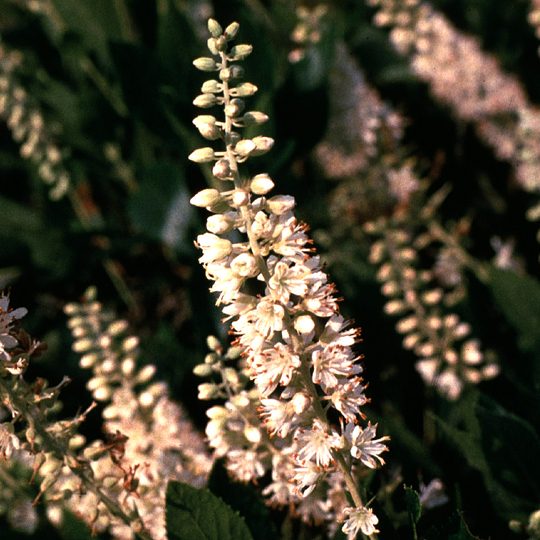
Clethra Summersweet: A Fragrant Native Shrub for Sun or Shade
Clethra summersweet (Clethra alnifolia), also known as sweet pepperbush, is a deciduous native shrub available at our Mundelein nursery. For homeowners in Wadsworth or Wauconda looking to add a late-blooming, aromatic woody plant to their gardens, this species is a functional choice. Its ability to thrive in various light conditions and its preference for moist soil make it a steady performer in any North Suburb garden where mid-summer fragrance and ecological value are the primary goals.
Performance in Northern Illinois Soil
This shrub is hardy in our Zone 5b climate and is a representative selection for Midwest rain gardens, woodland edges, and mixed borders. While many ornamental shrubs struggle with the heavy, unyielding clay found throughout the region, Clethra summersweet grows well in it, demonstrating a particular tolerance for moisture-retentive soils that might discourage other species. It is successful in the varied landscapes of Wauconda, where it can handle areas that stay damp after a heavy spring rain. In Wadsworth, these plants act as a durable structural staple, emerging with glossy, dark green leaves in late spring that provide a lush backdrop for the garden throughout the summer months.
Size, Spacing, and Growth Habit
Planning for the mounded and colonizing nature of this shrub ensures it provides the intended screening or structural mass without requiring excessive maintenance:
-
Average Height: Depending on the cultivar, height can vary from compact types at 2 to 3 feet tall to the straight species which can reach 5 to 8 feet tall.
-
Average Width: Most varieties develop a footprint spanning 3 to 6 feet wide.
-
Spacing Requirements: To create a solid, fragrant hedge or a continuous woodland border, space plants 3 to 5 feet apart. This allows the root system to expand and the branches to knit together, which is effective for erosion control and creating a dense screen.
Characteristics of Clethra Summersweet
In the North Suburbs, this group of shrubs serves as a source of late-season interest and wildlife support, addressing several specific gardening requirements:
-
Fragrant Summer Blooms: In July and August, the plant produces upright, bottle-brush flower spikes in shades of white or pink. This characteristic is commonly utilized to provide scent and color when many other spring-blooming shrubs have finished their display.
-
Shade Tolerance: This is one of the few flowering shrubs that can bloom reliably in heavy shade. It is a functional choice for the north side of a home or under the canopy of large deciduous trees where sunlight is limited.
-
Pollinator Magnet: The nectar-rich flowers are highly attractive to bees, butterflies, and hummingbirds. Because it blooms during the hottest part of the summer, it provides a vital food source when other nectar options may be scarce.
-
Autumn Foliage Interest: In the fall, the dark green leaves transition to a bright, clear yellow. This provides a vibrant color contrast in the autumn landscape before the leaves drop for the winter.
-
Salt Tolerance: This species is notably tolerant of salt spray, making it a practical choice for planting near driveways, sidewalks, or roadsides that receive winter salt applications.
Planting and Maintenance Advice
To ensure your shrub remains healthy and produces a prolific amount of fragrant flowers each year, follow these straightforward care steps:
-
Light Adaptability: While it blooms well in shade, it can also be grown in full sun. In our region, if planted in a sun-drenched spot, it requires consistent moisture to prevent the leaf edges from browning during a dry August.
-
Consistent Moisture is Essential: Clethra summersweet does not tolerate drought well. It is a functional choice for low spots in the yard or near downspouts. If planted in a standard border, it will require regular supplemental irrigation during dry spells.
-
Pruning Timing: This shrub blooms on "new wood" (growth produced in the current season). The best time to prune is in late winter or very early spring. You can prune it to maintain a specific height or remove any winter-damaged tips without sacrificing the summer's flowers.
-
Late Spring Emergence: Like several other native shrubs, Clethra is often one of the last to leaf out in the spring. In Lake County, it may remain bare until late May. Homeowners should wait for the soil to warm up before assessing the plant's health.
-
Managing Suckers: The plant has a natural tendency to spread slowly by underground runners (suckers). This is beneficial for filling in large areas, but if a tidy specimen is desired, simply prune away the new shoots at the base once a year.
Frequently Asked Questions (Lake County Edition)
Does it have any pest problems?
Clethra is remarkably resistant to most pests and diseases. Occasionally, spider mites may appear during very hot, dry weather, but keeping the plant well-watered is usually enough to prevent significant damage.
Why is it called sweet pepperbush?
The name comes from the fragrance of the flowers and the shape of the seed capsules that follow the blooms, which some find reminiscent of peppercorns.
Visit The Country Bumpkin Garden Center
We are located at the corner of Gilmer Rd & Hawley St in Mundelein. Stop by to see the various cultivars of Clethra summersweet in person—from the compact 'Sixteen Candles' to the pink-blooming 'Ruby Spice'—and find the right fit for your landscape. We are a local resource for gardeners across Mundelein, Wauconda, and the surrounding communities.
Call (847) 566-2176 or Send a Message to check current availability.
Varieties: Hummingbird
See: Shrubs and Roses
Category: Sun Perennials - Sun Plants - Sunny Plants - Shrubs - Deciduous Shrubs - Summersweet near me - Clethra