begonia
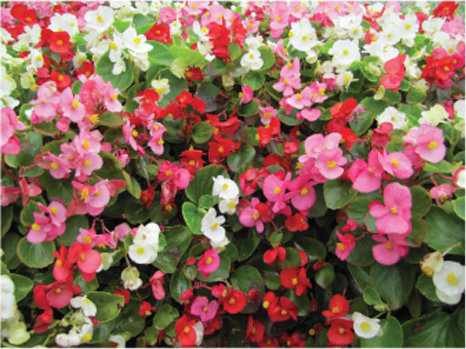
Begonias: The Versatile Shade-Lover for Vibrant Illinois Gardens
Begonias (Begonia spp.), a diverse genus of flowering plants in the Begoniaceae family, are a staple of Midwest gardening available at our Mundelein nursery. Prized for both their sculptural foliage and prolific blooms, these plants offer solutions for areas of the landscape where other annuals often struggle. For homeowners in Buffalo Grove looking to add a reliable summer-long accent and a sturdy floral presence to their shady nooks, begonias are a practical choice. Their succulent stems and natural resilience to the humidity of the North Suburbs make them a steady performer in any garden where functional color and high-impact texture are the primary goals.
Performance in Northern Illinois Soil
This genus is exceptionally adaptable and is a representative selection for residential gardens throughout the region. While many flowering annuals require intense sun to produce color, begonias grow well in the dappled light and cooler microclimates found in more established neighborhoods. They are successful in the managed garden beds of Long Grove, where their fibrous or tuberous root systems can thrive in rich, well-drained soil. In Wheeling, these plants act as a durable landscaping staple, providing a lush, flower-filled carpet or upright structure that remains vibrant from late May until the first frost.
Size, Spacing, and Growth Habit
Planning for the varied growth habits of this genus ensures they provide the intended visual impact, whether used as a bedding plant or a container focal point.
-
Mature Height: Depending on the variety, begonias can range from 6 to 12 inches tall for wax types to over 2 feet tall for vigorous dragon wing or cane varieties.
-
Mature Width: Individual plants span 8 to 15 inches wide, maintaining a dense, mounded, or cascading silhouette.
-
Growth Rate: These plants are commonly known for a moderate growth rate, steadily filling in garden spaces as the soil temperatures warm in early June.
-
Foliage Habit: The leaves are often asymmetrical and "angel-wing" shaped, ranging from bright green to deep bronze or variegated patterns, providing year-round interest even between bloom cycles.
-
Spacing Requirements: To create a solid mass of color in a shade bed, space individual starts 8 to 10 inches apart. This distance is commonly utilized to achieve a productive and balanced floral display.
Environmental Requirements
Understanding the specific needs of begonias is a key step for ensuring a continuous bloom cycle throughout the season.
-
Sun Exposure: Most varieties prefer partial to full shade. While some "bronze-leaf" wax types can handle more sun in Buffalo Grove, providing protection from the harsh midday heat is a practical strategy to prevent leaf scorch.
-
Moisture Needs: Consistent moisture is a primary requirement, yet they are susceptible to root rot if overwatered. Providing well-drained soil and allowing the top inch of soil to dry between waterings is a standard requirement for success.
-
Temperature Tolerance: These are heat-loving plants that do not tolerate frost. It is a practical strategy to wait until the threat of a North Suburb freeze has completely passed before planting outdoors.
-
Soil Chemistry: These plants are commonly adaptable to a wide range of soil pH levels, provided the soil is loose and rich in organic matter.
Landscape Characteristics
In our local landscapes, this flowering genus serves as a source of consistent interest and functional garden support:
-
Shade Color: Because of their ability to bloom in low light, begonias are the primary choice for adding bright whites, pinks, and reds to the north side of homes or under large canopy trees.
-
Foliage Interest: Many varieties, such as Rex begonias, are grown specifically for their stunning leaf patterns, making them a functional choice for indoor-outdoor transitional spaces.
-
No Deadheading Required: Most modern cultivars are "self-cleaning," meaning old flowers drop off on their own, leaving the plant looking fresh without manual intervention.
-
Container Versatility: Tuberous or boliviensis types are a practical choice for hanging baskets, where their stems will trail beautifully over the edges.
-
Low Maintenance: These are a low-maintenance selection that remains organized and productive with very little manual intervention beyond regular watering.
Planting and Maintenance Advice
To ensure your plants remain healthy and maintain their dense blooms each year, follow these straightforward care steps:
-
Site Preparation: Ensure the soil is amended with compost or peat moss. In the heavy clay soils of our area, this is a practical step to ensure the drainage these plants require.
-
Watering Routine: Providing water at the base of the plant rather than overhead is a functional necessity to prevent powdery mildew or leaf spot.
-
Fertilization: A balanced, water-soluble fertilizer applied every two to three weeks is commonly used to sustain the heavy bloom and foliage production required for a long season.
-
Mulching: Maintaining a light layer of mulch around the plants is a practical step to regulate soil temperature and retain moisture.
-
Pest Management: These plants are commonly resistant to most pests, though monitoring for slugs in damp, shady areas is a practical strategy.
Reliable Companion Plants for our Area
To create a functional, multi-layered environment, consider pairing your plants with other durable varieties from The Country Bumpkin:
-
Planting Hostas or Ferns alongside begonias provides a beautiful texture contrast against the waxy leaves.
-
Coleus or Caladiums thrive in similar shade conditions and provide a high-impact color palette that complements the blooms.
-
Creeping Jenny or Bacopa provides a soft, cascading foreground that highlights the upright structure of the plant.
-
Mixing these two shade-lovers is a practical strategy to achieve a dense, carpet-like floral display in darker garden corners.
Frequently Asked Questions
Are begonias deer resistant?
Yes, begonias are commonly cited for having good deer and rabbit resistance. The thick, waxy leaves and slightly sour sap are generally avoided by local wildlife in Long Grove and Wheeling.
Can I bring them inside for the winter?
Yes, many types can be transitioned into houseplants. For tuberous varieties, a practical strategy is to dig up the tubers in the fall, allow them to dry, and store them in a cool, dark place until spring.
Why are the leaves turning yellow?
This is commonly a sign of overwatering. Ensure your soil or potting mix allows for excellent drainage and avoid letting the plants sit in standing water.
Visit The Country Bumpkin Garden Center
We are located at the corner of Gilmer Rd & Hawley St in Mundelein. Stop by to see the vibrant colors and experience the lush beauty of begonias for your own garden. We are a local resource for gardeners across Buffalo Grove, Long Grove, Wheeling, and the surrounding Lake County communities.
Call (847) 566-2176 or Send a Message to check current availability.
How to grow Begonias.
Begonias are excellent little plants for semi shade areas in your garden. They are easy to grow and require little maintenance. These annuals grow to about 6 to 8 inches tall and like a rich, well drained soil. Ideally, they should be located in an area with morning sun and afternoon shade. The harsh summer sunlight can burn their leaves.
It is best to have a well drained, moist soil - don't let them dry out. You don't want them to be over watered either to prevent root rot, but they do need to be watered frequently. Feed with a general fertilizer like 10-10-10 or a slow release fertilizer every couple of months. It is generally not necessary to deadhead them.
See: Annuals
Category: Shade Annuals - Shade Plants - Semi Shade plants - Shady Plants - Part Shade - Begonia near me