astilbe x arendsii
False Spirea - Astilbes
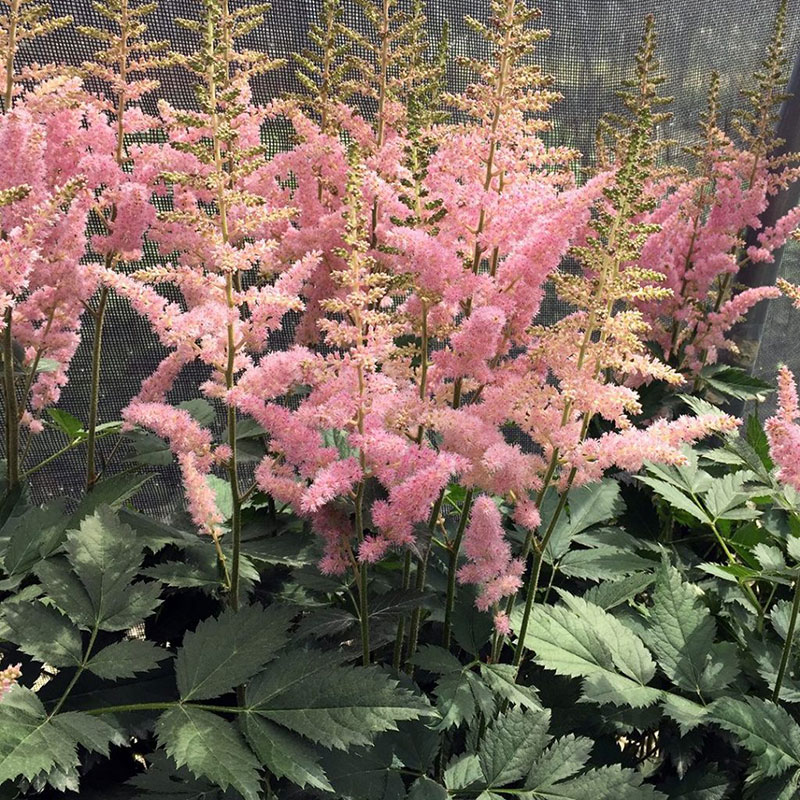
Astilbe: Feathery Color for Shaded Lake County Gardens
Astilbe, often called False Spirea, is the premier choice for homeowners looking to add vertical spikes of color to the darker corners of their landscape. At our Mundelein nursery, we recommend these perennials for their striking, fern-like foliage and plumy flower spikes. If you have a shaded garden bed in Hawthorn Woods or Kildeer that needs a boost of texture and soft color, this is one of the most reliable plants to choose.
Performance in Northern Illinois Soil
This perennial is exceptionally hardy in our Zone 5b climate. While many flowering plants struggle in the heavy, moisture-retaining clay found throughout Lake County, a well-sited astilbe thrives in it. They are particularly successful in neighborhoods like Lake Forest or Long Grove, where mature tree canopies provide the cool, dappled light they prefer. Unlike many other shade plants, they do not mind the "heavy" feel of local soil, provided it stays consistently damp.
For the best results, plant them in partial to full shade. In the intense afternoon sun of a Libertyville or Vernon Hills summer, the delicate foliage will scorch and turn brittle. While they can handle some morning sun, they require protection from the 2 PM to 5 PM heat to keep their leaves lush and green through August.
Why this Shade Favorite is a Practical Local Choice
In the North Suburbs, this group of perennials serves as a reliable problem-solver for damp, dim areas, solving several specific challenges:
-
Superior Deer and Rabbit Resistance: These plants are generally avoided by the local wildlife that frequent properties near the Lakewood Forest Preserve. This makes them a safe, colorful alternative to Hostas in unfenced yards in Mettawa or Ivanhoe.
-
Thrives in Wet Soil: If your yard in Gages Lake or Round Lake has a low spot that stays moist after a rain, astilbe is one of the few flowering perennials that will be happy there.
-
Three-Season Foliage: Even when not in bloom, the deeply cut, lacy leaves provide a high-end, textured look that stays attractive from May until the first hard frost.
-
Winter Interest: The dried flower plumes can be left on the plant through the winter, providing unique architectural interest against the snow in your Wauconda or Lake Zurich garden.
Planting and Maintenance Advice
To ensure your astilbe remains vigorous and produces large flower plumes year after year, follow these straightforward care steps:
-
Never Let Them Dry Out: This is the most critical factor. They have shallow roots and will "crisp up" quickly during a dry spell in Mundelein or Volo. Use a thick layer of wood mulch to help lock in soil moisture.
-
Spring Cleanup: Wait until you see fresh green growth appearing at the base in early April before cutting away the dead stems and foliage from the previous year.
-
Division: Every 3 to 4 years, you may notice the center of the clump becoming woody or flowering less. Dig the plant up in early spring, divide the root mass with a sharp spade, and replant to refresh the patch.
-
Fertilizing: They are "heavy feeders." Applying a layer of compost or a slow-release fertilizer in early spring helps support the energy needed to produce those large, feathery spikes.
-
Deadheading: While removing spent flowers won't trigger a second bloom, it does keep the plant looking tidy in your Hawthorn Woods foundation bed.
Reliable Companion Plants for our Area
To create a pleasant, multi-layered look in the garden, consider pairing Astilbe with these specific varieties:
-
Hostas: This is a classic shade garden pairing. The broad, solid leaves of hostas provide a massive structural contrast to the airy, fern-like foliage and feathery flower plumes of the Astilbe. Since both thrive in moist, dappled light, they make a lush and dependable team.
-
Ferns: The delicate, arching fronds of ferns, such as the Japanese Painted Fern or Ostrich Fern, mimic the texture of Astilbe leaves. This combination creates a soft, woodland aesthetic that looks cool and refreshing during the heat of the summer.
-
Bleeding Heart (Lamprocapnos): As the early spring blooms of the Bleeding Heart begin to fade, the mid-summer plumes of the Astilbe rise up to take center stage. Planting them together ensures a continuous cycle of interest in shadier garden borders.
-
Coral Bells (Heuchera): The vibrant, colorful foliage of Coral Bells—ranging from deep purples to lime greens—offers a brilliant ground-level contrast to the tall, vertical flower spikes of the Astilbe. Both plants prefer well-drained, organic soil and provide a rich tapestry of color even when not in bloom.
Frequently Asked Questions (Lake County)
Why are the edges of the leaves turning brown?
This is almost always a sign of "drought stress." If the soil dries out completely in July or August, the plant will sacrifice its leaves to save the roots. Increasing your watering schedule usually fixes this in your Hainesville or Wildwood garden.
Do they spread?
They are clump-forming perennials. They will slowly expand in diameter over time, but they do not have invasive runners.
Visit The Country Bumpkin Garden Center
We are located at the corner of Gilmer Rd & Hawley St in Mundelein. Stop by to see the different heights and colors of astilbe we carry and find the right variety for your shade garden. We are proud to be a local resource for gardeners across Mundelein, Hawthorn Woods, and Lake County.
Call (847) 566-2176 or Send a Message to check current availability.
Varieties: Chocolate Shogun, Maggie Daley, Peach Blossom, Red Sentinel, Rise and Shine, Vision in Pink, Vision in White.
Image: Astilbe chinensis ‘Vision in Pink’
See: Perennials
Category: Shade Perennials - Shady Plants - Shade Plants - Astilbe near me - False Spirea