agastache
Hyssop - Hummingbird Mint - Agastache
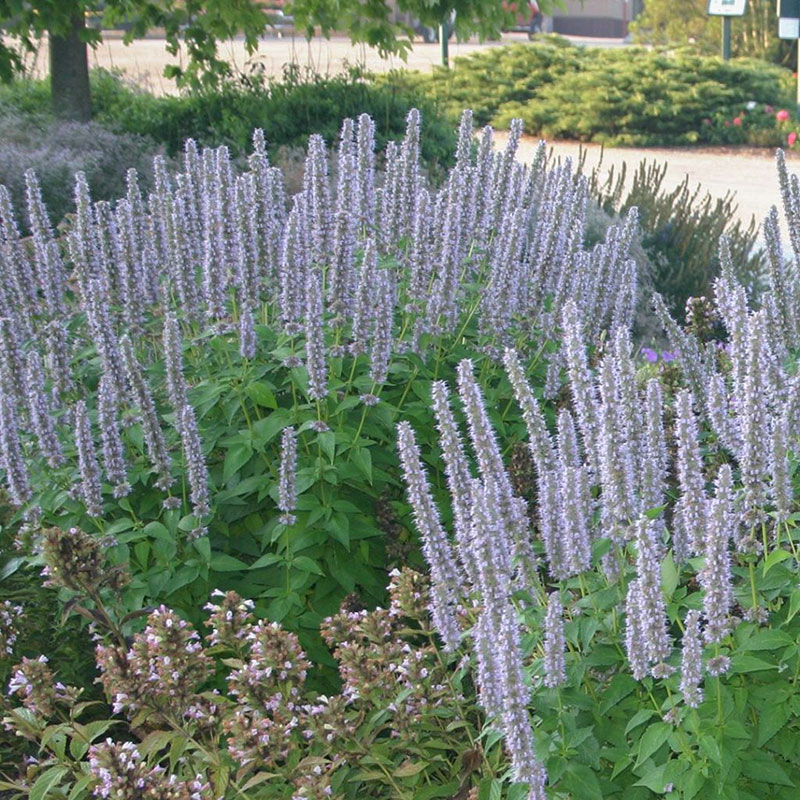
Agastache (Hyssop): Heat-Tolerant Pollinator Plants for Lake County
Agastache, commonly known as Hyssop or Hummingbird Mint, is a high-performance perennial that we recommend for any Mundelein or Wauconda landscape looking to boost local biodiversity. If you want your garden to be a primary "fueling station" for butterflies and hummingbirds in the North Suburbs, this is one of the most practical plants to choose.
Performance in the Chicago Area
Unlike some mint-family plants that can become invasive, the hybrid Agastache varieties we carry at The Country Bumpkin are well-behaved, clump-forming perennials. They are particularly valued in our Zone 5b climate for their ability to handle the "August Muggy" humidity of Northeastern Illinois without succumbing to the powdery mildew that often plagues other summer-blooming plants.
For the best results in our local soil, Agastache needs a spot that receives at least 8 hours of direct sunlight. In shaded Libertyville or Vernon Hills yards, the plant may become "leggy" or lean toward the light. It is a heat-lover that thrives when planted near south-facing foundations or stone patios where temperatures stay high.
Why Agastache is a Practical Local Choice
In Mundelein and Lake Zurich, we face specific environmental challenges that make Hyssop a top-tier choice for a low-maintenance landscape:
-
High Deer and Rabbit Resistance: The foliage of Agastache has a strong, licorice-like scent. This acts as a natural deterrent for the deer and rabbits that frequent properties near the Lake County Forest Preserves.
-
Drought and Heat Hero: Once its roots are established in our local soil, Agastache is extremely drought-tolerant. It is a reliable solution for gardeners who want a "plant it and forget it" option for the hottest parts of their yard.
-
Long Bloom Cycle: While many local perennials peak in June, Agastache keeps blooming through September. This fills the "color gap" in your garden during the late summer months when other plants are starting to fade.
- Some of the varieties we carry: Black Adder, Little Adder, Rosie Posie, Peachie Keen.
Planting and Maintenance Advice
To ensure your Agastache returns year after year in this region, follow these straightforward care steps:
Drainage is Key: This is the most important factor for Agastache. While it handles our Lake County clay, it cannot have "wet feet" during a slushy Illinois winter. We recommend planting it in a slightly raised bed or a spot that doesn't hold standing water.
Winter Protection: Do not cut Agastache back in the fall. The woody, upright stems help protect the crown of the plant from ice and moisture during the winter. Wait until late March or early April to prune the dead stems back to the ground.
Watering: During its first season, provide regular water to help the roots reach deep into the soil. Once established, only water during periods of extreme drought.
Pollinator Support: To maximize its value to local wildlife, avoid using pesticides on or near these plants. They are a vital food source for bees and migrating Monarchs.
Reliable Companion Plants for our Area
For a vibrant, low-maintenance bed that stays colorful all summer, we suggest pairing Agastache with these fellow favorites from our Mundelein nursery:
-
Allium: Planting Allium alongside Agastache creates a virtually deer-proof combination that looks great in early summer.
-
Purple Coneflower (Echinacea): These share the same love for full sun and attract even more butterflies to your yard.
-
Ornamental grasses: Varieties like Little Bluestem provide a great texture contrast to the spikes of Agastache.
-
Rudbeckia: The yellow-and-purple combination is a classic Midwest look that handles our heat without issues.
Frequently Asked Questions (Lake County Edition)
Is Agastache a perennial in Mundelein?
Yes, but drainage is essential. Most "winter kill" in our area isn't caused by the cold temperatures, but by heavy, wet soil rotting the roots in February and March. Ensure your planting site doesn't collect water.
When does it start blooming?
In a typical Lake County season, you will see the first flower spikes appear in late June, with peak flowering happening during the heat of July and August.
Visit The Country Bumpkin Garden Center
We are located at the corner of Gilmer Rd & Hawley St in Mundelein. Stop by to see our current varieties and speak with our staff about the best spot for Agastache in your yard. We are a local resource for gardeners across Mundelein, Wauconda, Libertyville, and Lake County.
Call (847) 566-2176 or Send a Message to check current availability.
See: Perennials
Category: Sun Perennials - Sun Plants - Sunny Plants - Hyssop near me - Agastache Humminbird Mint